Page 32 January February 2018 TCA
P. 32
THE GREAT AMERICAN SOLAR ECLIPSE
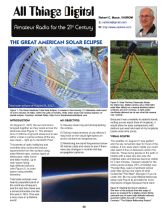
Figure 3: Solar Viewing Telescope Setup.
My telescope, digital camera, plus white light
solar filter sitting on a manual tracking tripod
Figure 1: The Great American Total Solar Eclipse. It created a fast moving 115 kilometre-wide band (eclipses are slow moving). A right-angle
of a few minutes of night, within the path of totality, while other areas had varying degrees of viewfinder allowed me to see what the camera
partial eclipse. Courtesy: Michael Zeiler, http://www.GreatAmericanEclipse.com was “seeing”.
INTRODUCTION MY OBJECTIVES Because it was a westerly to easterly transit,
cutting across equal lines of longitude, it
On August 21, 2017, the sun and moon 1) Visually observing and photographing would allow for easy comparisons with
tangoed together as they raced across the the eclipse. stations just west and east of my longitude
Americas (see Figure 1). This allowed (same solar time zone).
tens of millions of ground observers to see 2) Taking measurements of any effects it
either a total or partial eclipse (if the sky may have on the visual light spectrum VISUAL ECLIPSE
was clear) – right up to the North Pole! and/or ambient air temperatures. The weather on August 21 was perfect
3) Monitoring low band frequencies below and the sky remained clear for most of the
Thousands of radio hobbyists and
scientists also conducted various 40 metres (data and voice) to see if there eclipse. If you were stuck inside you could
experiments from the surface using were any changes in normal mid‑day also watch it live on television and/or the
solar‑filtered eyes, various types of propagation patterns. Internet. Those lucky people in the path of
telescopes, radio (voice totality with a clear sky also saw the
and data modes), up to brightest stars and planets become visible
near‑space flying for a few minutes. I stayed outside for the
high‑altitude balloons entire partial eclipse (74% of totality) over
(see Figure 2), to outer Thunder Bay, used a handheld optical
space using satellite solar filter giving nice views of what
telemetry. looked like “Pac‑Man” (Google it if you’re
under 40). But my solar‑filtered telescope
Total solar eclipses over setup (see Figure 3) provided far more
heavily populated parts of impressive images because there were
the world are infrequent,
and the last time there was Figure 2: Chasing the Moon’s Shadow.
a transcontinental one like The view of the eclipse from the edge of
this was in 1918. This was space as snapped by a digital camera flying
onboard one of many high altitude balloons
a truly once‑in‑a‑lifetime launched within the path of totality.
event! Courtesy: “The Eclipse Ballooning Project”
30